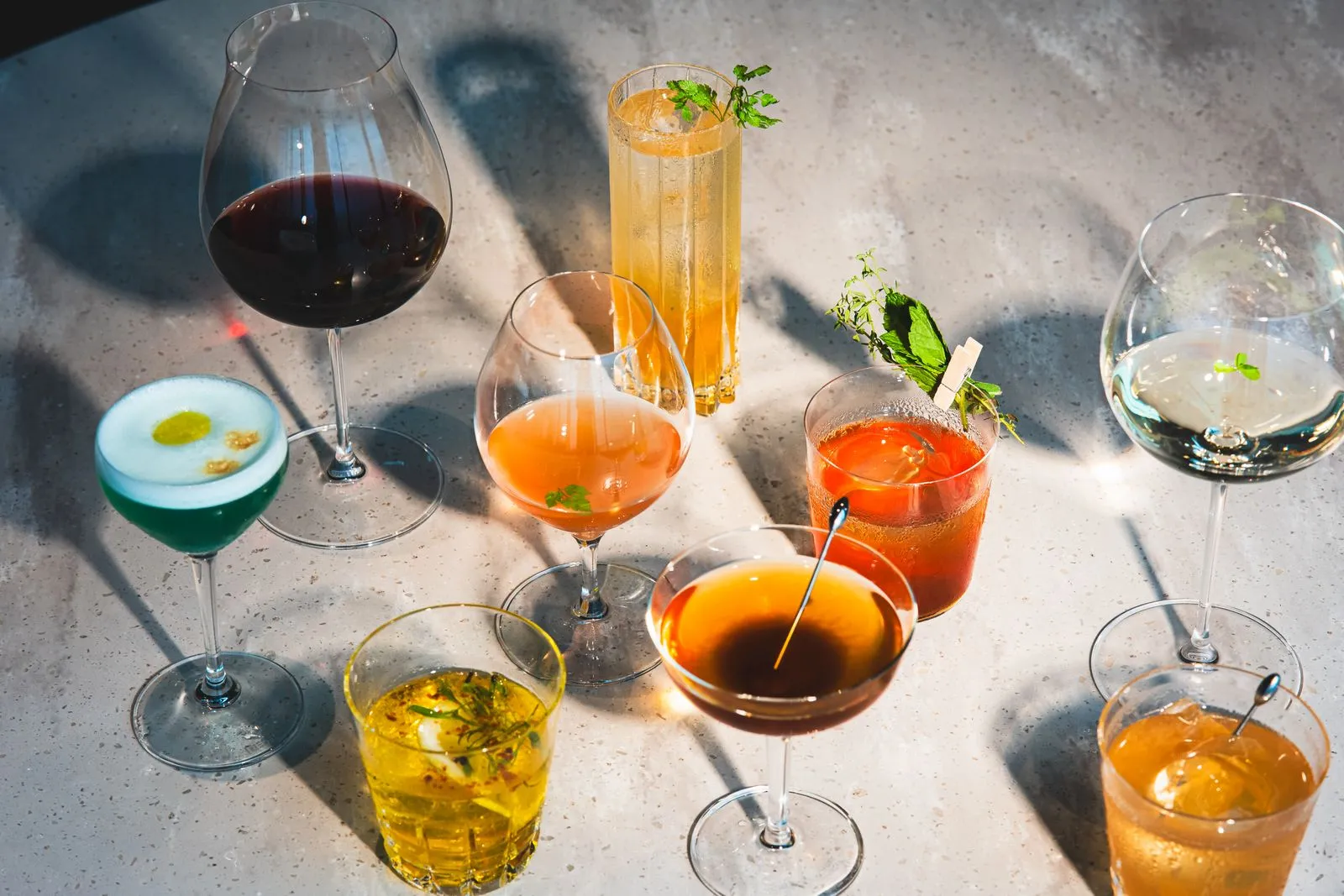
Choosing a cocktail gets easier when you know which flavors appeal to you. Instead of trying to memorize a long menu, think about four elements: the spirit, sweetness, acidity, and bitterness. Each shapes the drink’s character, from bright and crisp to rich and spirit-forward. You don’t need technical terms to explain your preferences. A few clear details—such as “not too sweet” or “I like citrus”—can help a bartender suggest a drink that fits.
Start With the Spirit
The base spirit sets a cocktail’s main character. Vodka tends to have a clean, neutral profile, while gin often brings herbal, floral, or citrus notes. Tequila can taste earthy or peppery, and whiskey commonly adds warmth, oak, or spice. Rum ranges from light and gentle to dark and rich. These are broad patterns, not rules; ingredients and preparation also affect the final taste.
Think about spirits you already enjoy, neat or in familiar drinks. If you like the aroma of gin or the warmth of whiskey, mention that when ordering. If you prefer a lighter flavor, ask for something where the spirit is less prominent. You can also say which spirits you want to avoid. That gives the bartender a useful starting point without requiring you to know specific cocktail names.
Choose Your Sweetness
Sweetness can come from syrups, liqueurs, fruit, or other ingredients. It rounds sharp edges and can make a drink feel smooth and approachable. A sweeter cocktail may suit someone who enjoys dessert-like flavors, while a drier drink leaves more room for the spirit, citrus, or herbal notes to stand out.
Describe your preference in everyday language: “dry,” “a little sweet,” or “balanced, not sugary.” If you are unsure, ask whether a drink leans sweet before ordering. Some cocktails can be adjusted, but not every recipe works well with less sweetener. Asking for the bartender’s recommendation is often the simplest way to find a good fit.
Notice Acidity and Bitterness
Acidity usually comes from citrus or other tart ingredients. It gives a cocktail a bright, lively edge and can balance sweetness. If you enjoy lemonade, tart fruit, or a crisp finish, you may like drinks with noticeable acidity. If sharp flavors bother you, ask for something softer or less citrus-forward rather than assuming every sour-style cocktail tastes the same.
Bitterness may come from ingredients such as bitters, amaro, or certain aperitifs. It can add depth and a dry finish, much like the contrast in dark chocolate or unsweetened tea. Tell the bartender if you enjoy those flavors, or if you prefer a smooth, mellow drink. You can also describe the finish you want: crisp, lingering, dry, or rounded.
Describe What You Enjoy
A useful request combines a few preferences: the spirit you like, how sweet you want the drink, and whether you enjoy tart or bitter flavors. For example, try, “I like tequila, prefer a dry drink, and enjoy citrus.” Or say, “I’m looking for something gentle, slightly sweet, and not too strong-tasting.” Clear preferences help narrow the choices without locking you into one recipe.
If you don’t know what you like yet, start with what you dislike. Mention flavors that feel too sweet, sharp, smoky, or bitter, and share whether you want something refreshing or rich. Ask what a recommended cocktail tastes like, not only what goes into it. At Copper & Cinder in Phoenix, you can use the same approach to guide a conversation with the bartender.
A cocktail menu becomes easier to navigate when you focus on flavor rather than unfamiliar names. Start with a spirit you enjoy, then describe your preferred sweetness, acidity, and bitterness. If you’re still unsure, share what you like and ask for a recommendation. The right questions can help you discover a drink that feels like your own.